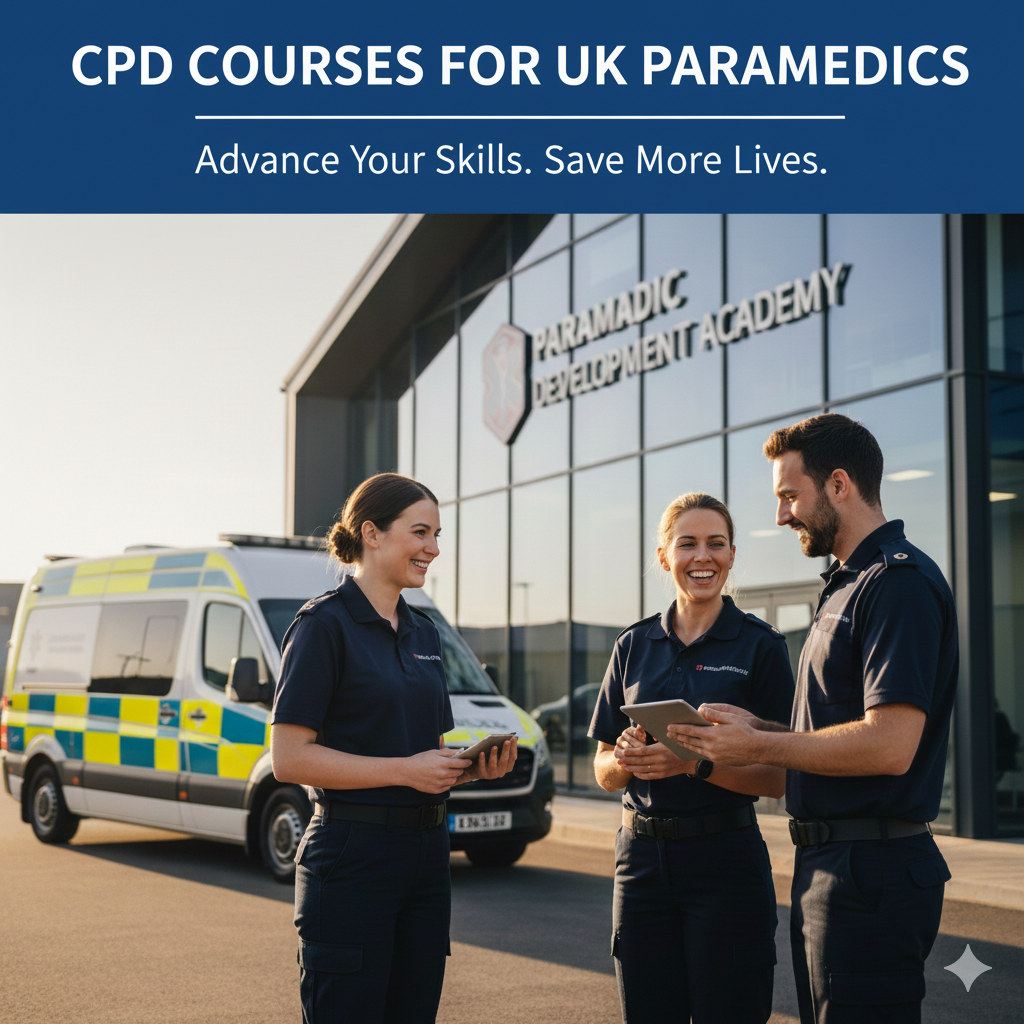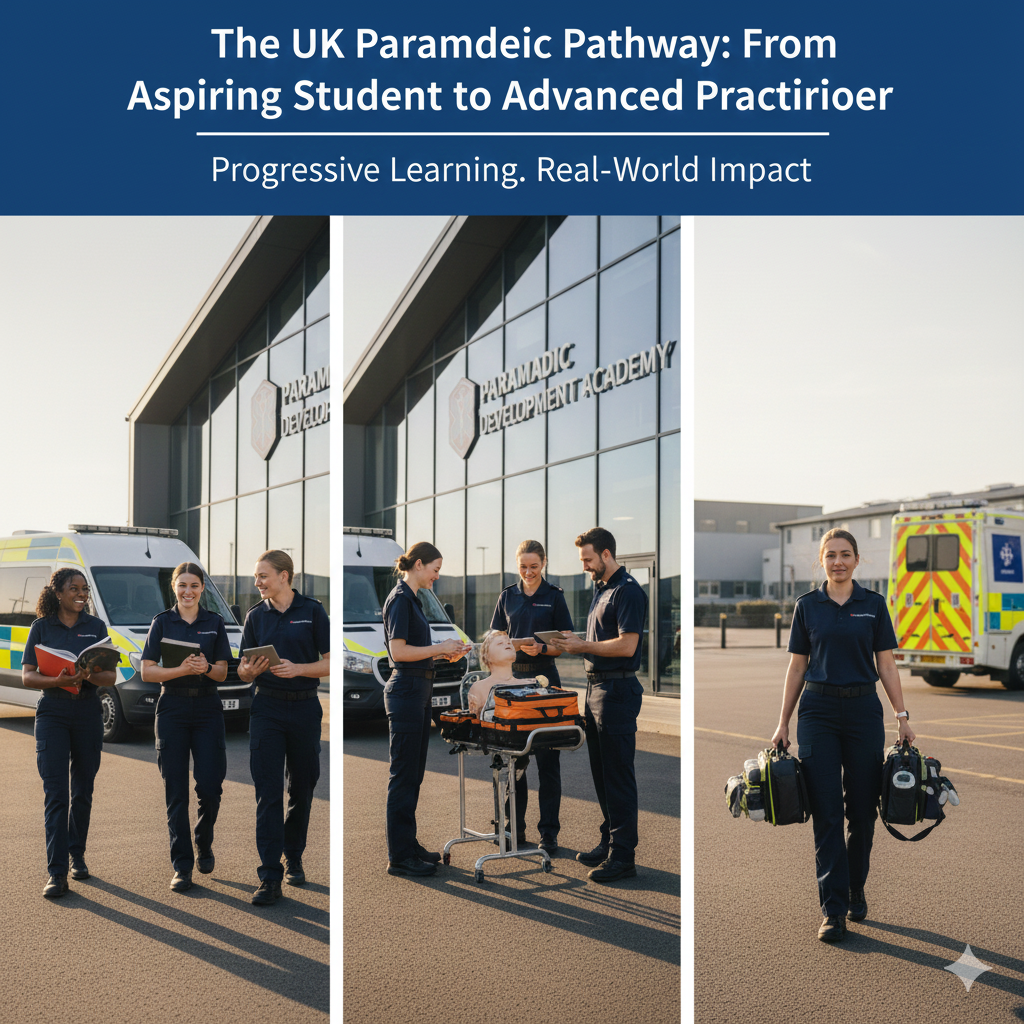
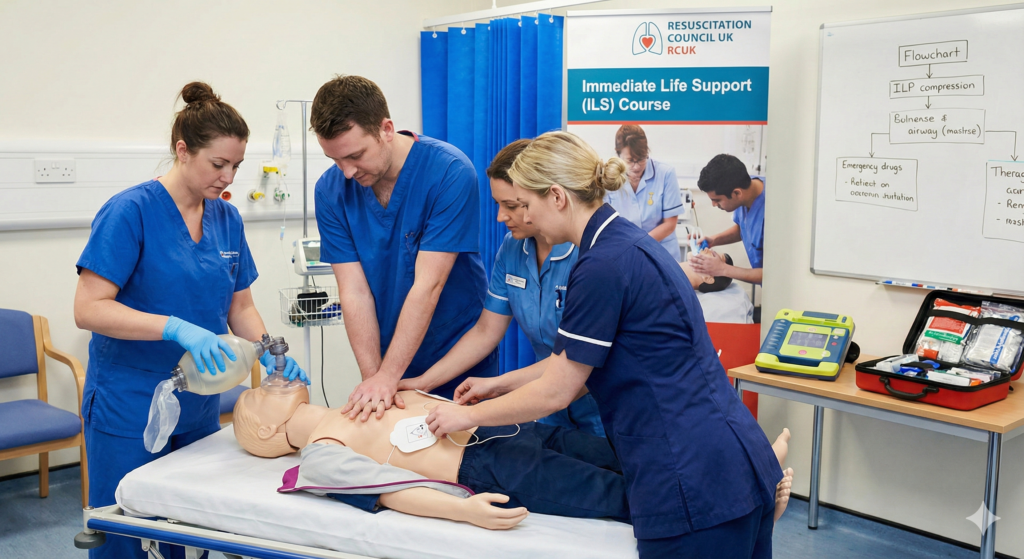
Immediate Life Support (ILS) is a core clinical skill set designed to help healthcare professionals recognise and manage cardiac arrest and peri-arrest situations until advanced help arrives. It bridges the gap between Basic Life Support (BLS) and Advanced Life Support (ALS), focusing on early recognition, effective teamwork, and timely interventions that save lives.
This blog explains what ILS is, who should take it, what the course covers, and why it’s essential in modern healthcare settings.
What Is Immediate Life Support (ILS)?
Immediate Life Support is a structured approach to managing deteriorating patients and cardiac arrest in clinical environments such as hospitals, urgent care centres, and ambulance services.
ILS emphasises:
- Early recognition of deterioration
- High-quality CPR
- Safe use of airway adjuncts
- Defibrillation with an AED or manual defibrillator
- Effective team communication and leadership
ILS follows Resuscitation Council UK (RCUK) guidelines and is widely recognised across the NHS and private healthcare providers.
Who Is ILS For?
ILS is suitable for healthcare professionals who may be first responders to a cardiac arrest or medical emergency, including:
- Nurses and midwives
- Paramedics and ambulance clinicians
- Doctors (junior and senior)
- Operating Department Practitioners (ODPs)
- Physiotherapists and allied health professionals
- Healthcare assistants with clinical responsibilities
ILS is often a mandatory competency in many NHS clinical roles.
ILS vs BLS vs ALS: What’s the Difference?
| Course | Focus | Typical Audience |
|---|---|---|
| BLS | CPR, AED, basic airway | All healthcare & non-healthcare staff |
| ILS | Team-based resuscitation, defibrillation, airway support | Clinical staff |
| ALS | Advanced airway, drugs, leadership | Senior clinicians |
ILS prepares clinicians to lead or contribute effectively during the early stages of a resuscitation.
What Does an ILS Course Cover?
An accredited ILS course usually includes:
1. Recognition of the Deteriorating Patient
- ABCDE assessment
- Use of early warning scores (e.g. NEWS2)
- Identifying peri-arrest signs
2. Cardiac Arrest Management
- Adult cardiac arrest algorithms
- High-quality CPR (rate, depth, recoil)
- Team roles and leadership
3. Defibrillation
- Safe use of AEDs
- Manual defibrillator basics
- Shockable vs non-shockable rhythms
4. Airway & Breathing Support
- Basic airway manoeuvres
- Oropharyngeal and nasopharyngeal airways
- Bag-valve-mask ventilation
- Oxygen therapy
5. Teamwork & Human Factors
- Closed-loop communication
- Situational awareness
- Role allocation
- Managing stress during emergencies
Course Format & Duration
- Duration: Usually 1 day
- Delivery: Face-to-face or blended (e-ILS)
- Assessment: Practical skills and scenario-based assessment
- Certification: Valid for 1 year (often renewed annually)
Many organisations now offer e-ILS, combining online learning with practical assessments.
Why Is ILS So Important?
1. Improves Patient Survival
Early recognition and prompt action significantly increase survival from cardiac arrest.
2. Builds Confidence
ILS gives clinicians the confidence to act decisively in high-pressure situations.
3. Enhances Team Performance
Clear roles and communication reduce errors and delays during emergencies.
4. Supports Professional Requirements
ILS counts towards CPD and is often required for:
- NHS employment
- Clinical competency frameworks
- Revalidation and appraisal
ILS in the NHS & UK Healthcare
ILS is widely used across:
- NHS acute hospitals
- Community and mental health services
- Ambulance services
- Care homes with clinical staff
- Private hospitals
Many NHS Trusts mandate annual ILS updates for frontline staff.
Who Provides ILS Training?
ILS courses are commonly delivered by:
- NHS Trust education teams
- Universities and training centres
- Resuscitation Council UK–accredited providers
Always ensure the course follows RCUK guidelines and provides a recognised certificate.
Official & Accredited Training Providers
🔗 Resuscitation Council UK – ILS Course
RCUK is the body that sets the UK standards for Immediate Life Support and accredits courses nationwide. Resuscitation Council UK
https://www.resus.org.uk/training-courses/adult-life-support/ils-immediate-life-support
🔗 Resuscitation Council UK – e-ILS (Blended Learning)
A flexible ILS course combining e-learning with hands-on training. Resuscitation Council UK
https://www.resus.org.uk/training-courses/adult-life-support/e-ils-immediate-life-support-e-learning
🔗 University of Hertfordshire – Immediate Life Support (RCUK)
An example university-linked ILS course available to healthcare practitioners. University of Hertfordshire
https://www.herts.ac.uk/courses/short/immediate-life-support-resuscitation-council-uk
🔗 Whittington Education Centre – eILS Immediate Life Support
Shows a UK NHS trust–linked ILS course delivery based on Resuscitation Council UK guidelines. whittington.nhs.uk
https://www.whittington.nhs.uk/default.asp?c=48181
Additional Training Options
🔗 A-ETS ILS (Immediate Life Support RCUK)
A private provider offering Resuscitation Council UK–aligned ILS courses. A to E Training & Solutions
https://www.a-ets.com/courses/ils-immediate-life-support-rcuk/
🔗 DDRC Training – e-ILS Blended Course (UK)
Example of a blended e-ILS course combining online preparation with face-to-face practical skills. ddrc.org
https://www.ddrc.org/training/courses/248-immediate-life-support-blended-e-ils/region-UK/
Other Course Options & Booking Platforms
🔗 ILS Courses via ProCourses – Schedule & booking options in locations across the UK. procourses.co.uk
https://www.procourses.co.uk/classrooms/332590?facilitator_id=13455
🔗 ProTrainings UK – Immediate Life Support (L3) – Options for blended online/classroom learning. procourses.co.uk
https://www.protrainings.uk/courses/159-immediate-life-support-ils-healthcare
ILS for Career Progression
ILS is particularly valuable if you are:
- A newly qualified clinician
- Moving into acute or emergency care
- Preparing for ALS training
- Building a strong CPD portfolio
For paramedics, nurses, and doctors, ILS is often a stepping stone to ALS.
Final Thoughts
Immediate Life Support is more than a training course—it is a life-saving skill set that empowers healthcare professionals to respond effectively when every second counts. Whether you work in a hospital ward, community setting, or emergency care, ILS ensures you are prepared to protect patient safety and deliver high-quality care during critical moments.