
The Allied Health Professions (AHPs) play a vital role in the UK healthcare system, supporting diagnosis, treatment, rehabilitation, and long-term care. Working across hospitals, community services, and specialist settings, AHPs help people live healthier, more independent lives.
This blog explains what Allied Health Professions are, the different roles available in the UK, how to become an AHP, and the career opportunities within the NHS and private sector.
What Are Allied Health Professions (AHPs)?
Allied Health Professionals are a group of highly skilled healthcare practitioners who work alongside doctors and nurses. In England, there are 14 recognised Allied Health Professions.
AHPs focus on:
- Assessment and diagnosis
- Treatment and rehabilitation
- Improving quality of life
- Preventing hospital admissions
List of Allied Health Professions in the UK
The 14 AHPs recognised by the NHS in England include:
- Physiotherapists
- Occupational Therapists
- Radiographers (Diagnostic & Therapeutic)
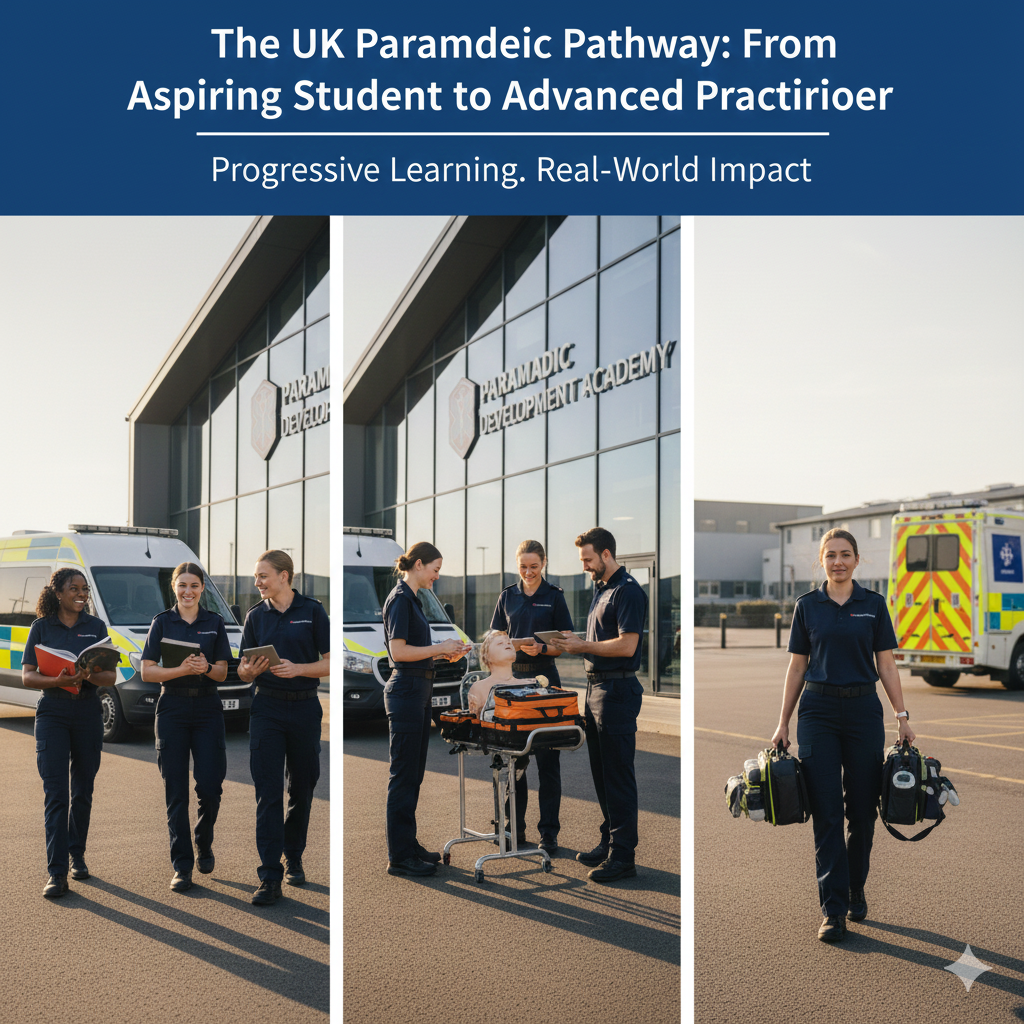
- Paramedics
- Dietitians
- Speech and Language Therapists
- Podiatrists
- Orthoptists
- Prosthetists & Orthotists
- Art Therapists
- Drama Therapists
- Music Therapists
- Operating Department Practitioners (ODPs)
- Orthotists (often grouped with Prosthetists)
Many of these roles are regulated by the Health and Care Professions Council (HCPC).
Who Regulates Allied Health Professionals?
Most AHPs must register with the HCPC to practise legally in the UK.
🔗 HCPC official website:
https://www.hcpc-uk.org/
Some roles, such as ODPs, are also regulated by the HCPC, while others may have professional bodies in addition to statutory regulation.
How to Become an Allied Health Professional in the UK
1. Education & Training
To become an AHP, you must complete:
- An HCPC-approved degree or diploma
- Usually 3–4 years full-time (depending on profession)
🔗 Find HCPC-approved courses:
https://www.hcpc-uk.org/education/find-an-approved-programme/
2. HCPC Registration
After completing your qualification:
- Apply for HCPC registration
- Receive a registration number
- Legally practise in the UK
3. Entry Routes
There are multiple pathways:
- Full-time university degree
- Degree apprenticeship (earn while you learn)
- International qualification assessment
Allied Health Professionals in the NHS
Where Do AHPs Work?
AHPs work across:
- NHS hospitals
- Community health services
- GP practices
- Mental health services
- Social care
- Private clinics
- Education & research
Career Progression & Pay Bands
Most AHPs start at:
- NHS Band 5 (newly qualified)
Progression includes:
- Band 6 – Specialist practitioner
- Band 7 – Advanced practitioner / Team lead
- Band 8+ – Consultant, leadership, or strategic roles
Specialist & Advanced AHP Roles
With experience and postgraduate study, AHPs can move into:
- Advanced Clinical Practice (ACP)
- Consultant AHP roles
- Leadership & management
- Education & academia
- Research & public health
International Allied Health Professionals
The UK welcomes international AHPs, but overseas qualifications must be assessed by the HCPC.
Requirements May Include:
- Qualification equivalence assessment
- English language test (IELTS / OET)
- Professional experience evidence
🔗 HCPC international registration:
https://www.hcpc-uk.org/registration/getting-on-the-register/international-applications/
Continuing Professional Development (CPD)
All registered AHPs must maintain CPD to remain on the HCPC register.
CPD activities include:
- Courses and training
- Reflective practice
- Research and audits
- Teaching and mentoring
Why Choose an Allied Health Profession?
Benefits
✔ Diverse career options
✔ Strong demand across the UK
✔ Opportunities to specialise
✔ Meaningful patient impact
✔ Global recognition
Challenges
⚠ Workload pressures
⚠ Emotional demands
⚠ Continuous learning required
Future of Allied Health Professions in the UK
The NHS is expanding AHP roles to:
- Reduce hospital admissions
- Improve rehabilitation services
- Support ageing populations
- Deliver care closer to home
AHPs are increasingly central to integrated and community-based care models.
Final Thoughts
Allied Health Professions are essential to the success of the UK healthcare system. Whether you are a student, healthcare professional, or international applicant, AHP careers offer stability, growth, and the opportunity to make a real difference.